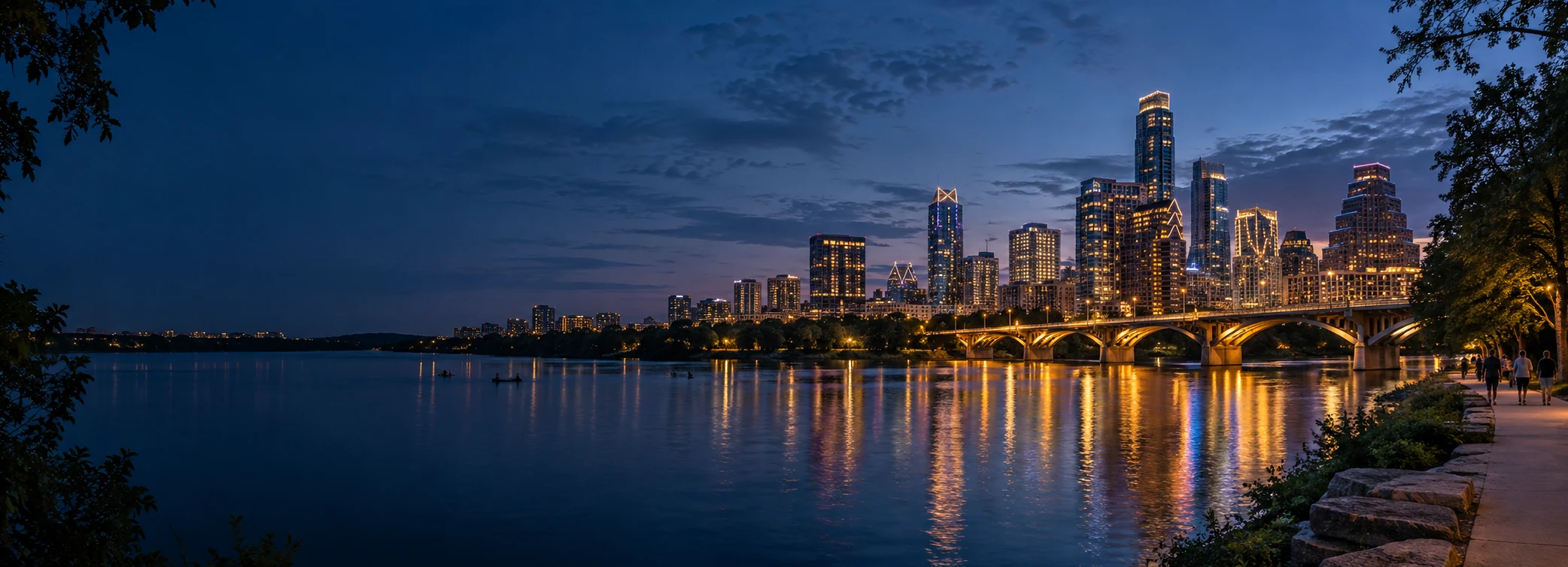
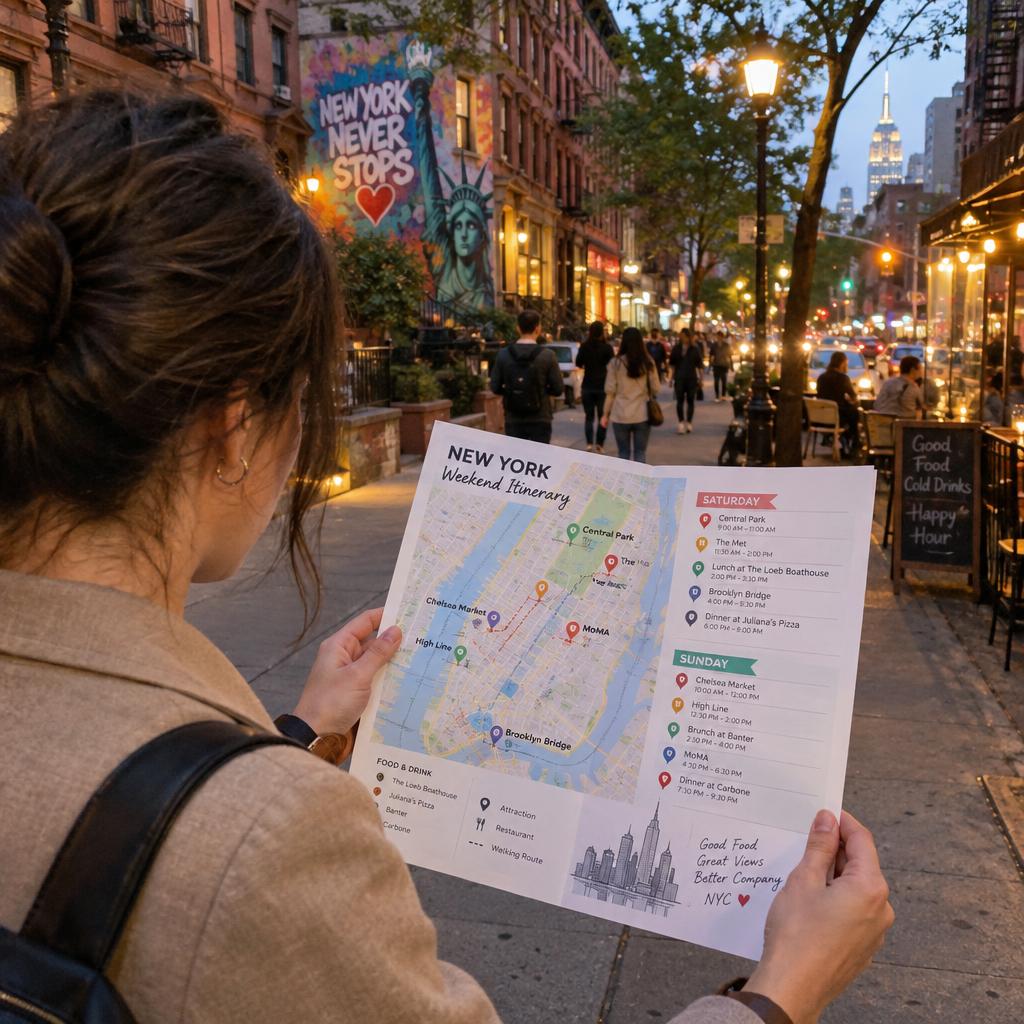
You step off the train at Penn Station on Friday evening, and your whole plan already fits in one neighborhood: a slice, a walk, a late coffee. That calm feeling is the goal. Two or three days can feel full without feeling rushed.
The secret is simple. Pick two or three anchors per day, and leave real walking time between them. The common mistake is booking a different borough every few hours, then spending the weekend underground.
From here, the plan moves in order: planning, sleeping, eating, sights, and rain backups. First, you need to decide how to shape the weekend.
Key Takeaways
- Pick two or three anchors per day, not ten stops.
- Group stops by area so you cross the city once, not twice.
- Book timed tickets and popular tables ahead, but leave slack.
- Lodging sets most of your budget.
- Stay near a subway line you can use at night.
- Keep one museum on standby for rain.
A Local Guide to a Great Weekend in New York: How to Shape Your Days
One neighborhood cluster per half day works best. Manhattan is about 13 miles long and 2 miles wide, so a stop that looks close on a map can eat an hour of your day. Typical visitors can comfortably do one morning anchor, one afternoon anchor and one evening plan.
Group stops by area. Spend one day in Lower Manhattan with the waterfront, and another with Central Park and the Upper East or West Side museums. Never cross the city twice in one day, because the lost time is the first thing that makes a weekend feel rushed.
Group your stops by area, and never cross the city twice in one day.
Keep a loose gap around midday for lunch, a bench, or a surprise bakery. Leave one evening fully unplanned too. Some of the best New York nights start with “that looks good” and a short walk.
Check out: Broadway Shows in New York
Before You Go: Guides, Tickets and Reservations
You can get a visitor guide before you travel. The NYC Official Visitors Guide comes from NYC Tourism + Conventions, the city’s official tourism organization. Look for the NYC travel guide by mail through its official site or at its visitor centers, since free travel guides by mail are often offered by tourism boards.
Many museums use timed ticket entry, and popular restaurants release reservations weeks ahead. Book the items that sell out first, and nothing more. Museum admission planning takes ten minutes and saves a long line.
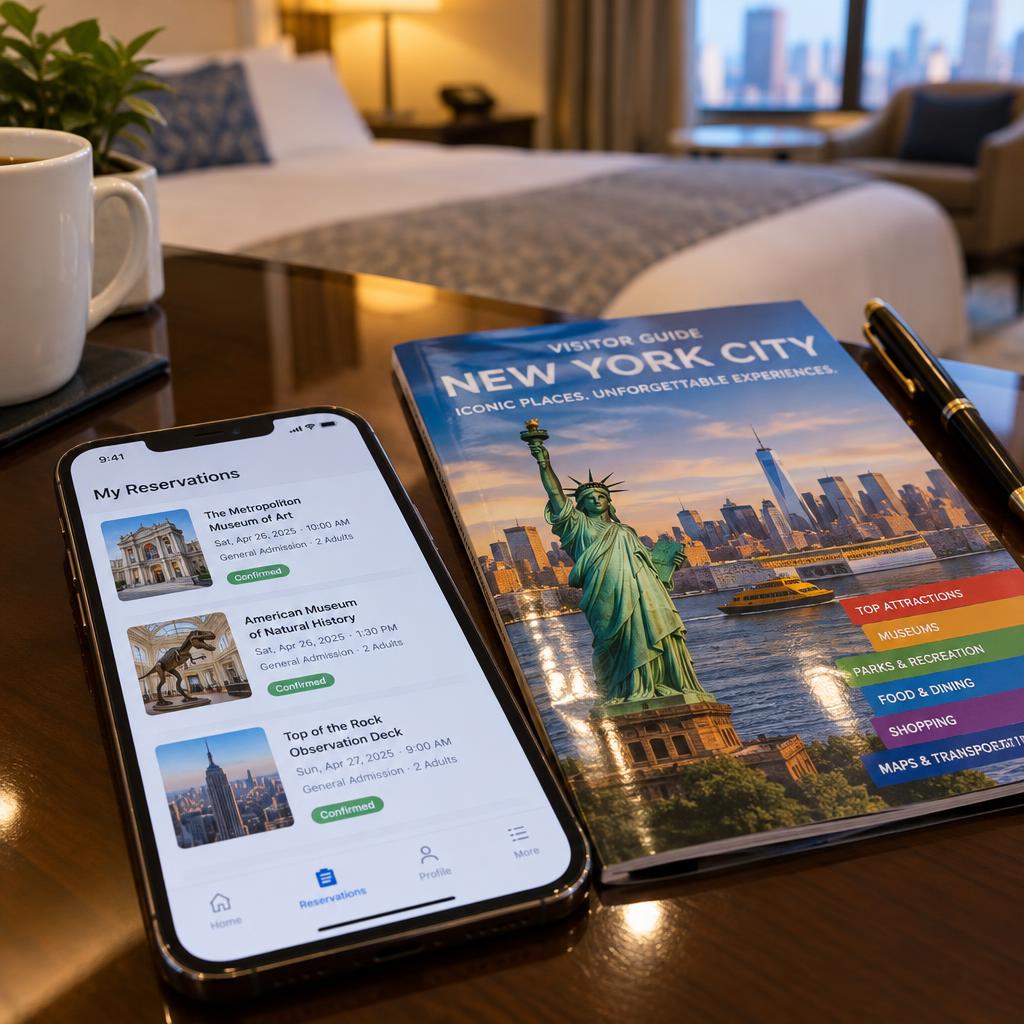
Use this short checklist before you leave home:
- Timed tickets for the museums you care about most
- Broadway matinee tickets for one afternoon
- A rooftop or reservation-only restaurant booking
- Your hotel’s check-in time
- A transit payment method, such as a contactless card or phone
The mistake is booking every hour. A weekend with no slack turns each delay into a missed slot, so leave a gap or two.
Once the bookings are set, you can see what the weekend will cost.
What a Weekend in New York Costs
Lodging decides most of the total. It is typically the largest single cost, and it rises on weekends and holidays. Split your daily budget into four parts: lodging, food, getting around and paid attractions.
Money for 4 days in New York depends on your hotel neighborhood and how many paid attractions you pick. The classic mistake is spending the whole budget on lodging near Times Square, then skipping the things you came for.

| Cost | Where it goes up | Where to save | Free alternative |
|---|---|---|---|
| Lodging | Weekends, holidays, Midtown | Stay outside Midtown | None |
| Food | Sit-down dinners | Slices, bagels, food halls | Picnic from a deli |
| Local transit | Taxis and rideshares | Subway, flat fare per ride | Walking |
| Attractions | Several paid sights | Pick three anchors | Central Park, Brooklyn waterfront |
The subway charges a flat fare per ride regardless of distance, so subway fare options stay simple. Many public art spaces cost nothing either.
With the money plan in place, choose where to sleep.
Where to Stay for an Easy Weekend
The best base is near a subway line you can use at night. That choice matters more than the hotel’s look. A short walk to a station gets you home after a late show without a pricey ride.
Staying near Midtown is the convenient choice, since most lines meet there. The tradeoff is crowds and higher rates. Pick a quieter neighborhood with a station within 10 minutes on foot.
Boutique hotel districts worth considering
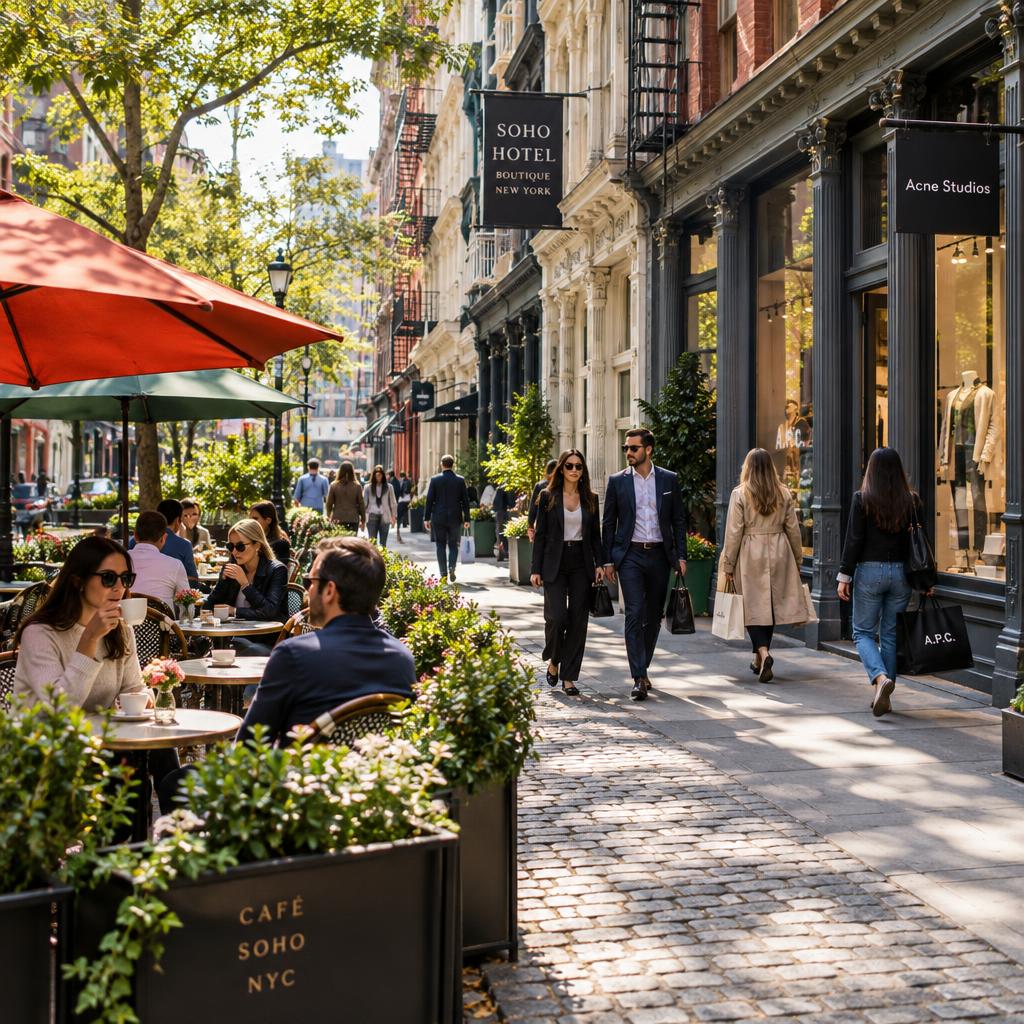
Boutique hotel districts each have a feel. The Lower East Side suits nightlife and small music rooms. SoHo is good for shopping and cast-iron streets, while Chelsea sits near the High Line and galleries. Williamsburg in Brooklyn offers skyline views, cafés and a younger crowd.
Check-in timing and luggage storage
Typical hotel check-in is mid-afternoon, and checkout is late morning. Many hotels will hold bags before check-in, so ask when you book. The mistake is arriving at noon with big luggage and expecting a room.
If your hotel can’t help, look at luggage storage options near major stations. Pack an overnight bag with essentials: a charger, a change of clothes, toiletries and comfortable shoes. Then you can start exploring right away.
Now you need to know how to move around.
Getting Around by Subway and Ferry
You tap a card or phone at the turnstile and walk in. OMNY is the tap-to-pay system on subway and bus readers that accepts a contactless card or phone and replaces buying a paper card. The same card or phone must be used for every tap if you want your rides to count together.
NYC Ferry runs routes along the East River and to areas such as Rockaway. Governors Island is served by a separate ferry. Subway and ferry routes both work as scenic transport.
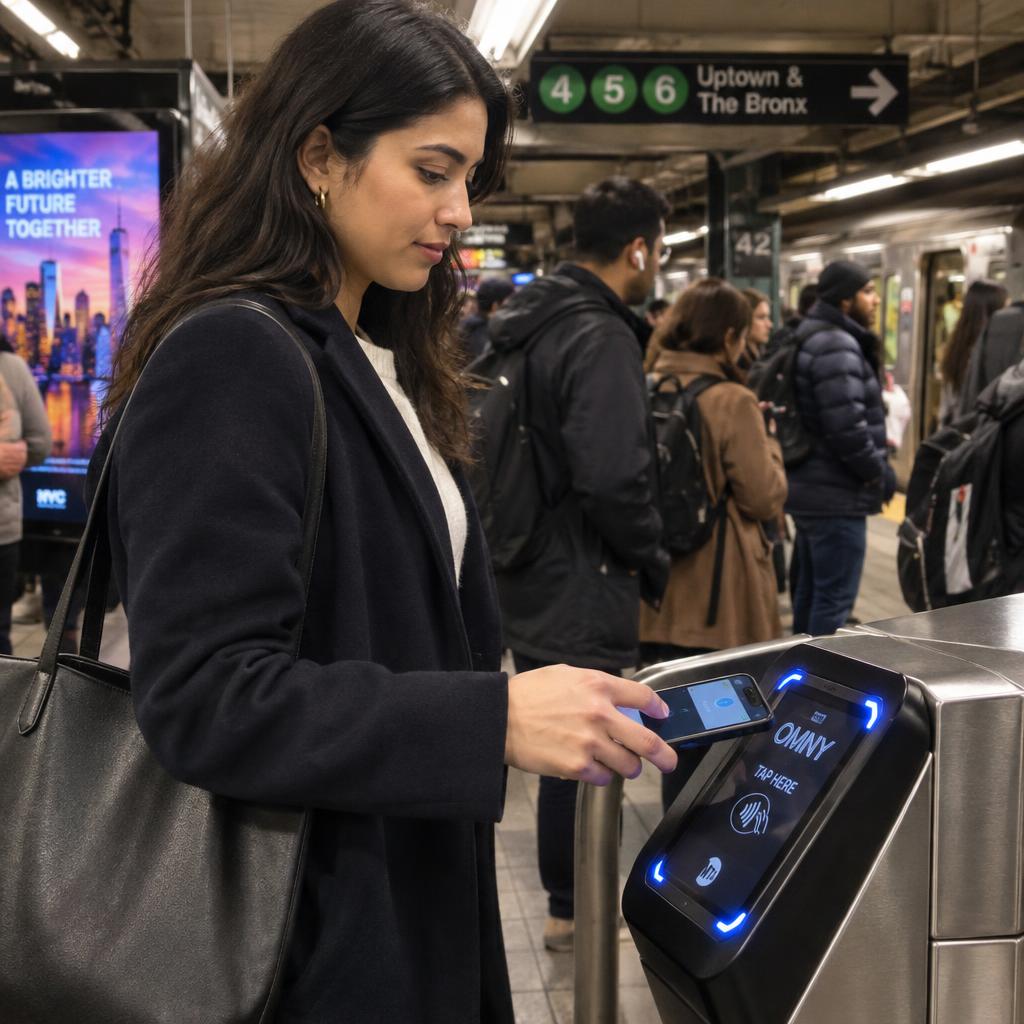
- Tap in with OMNY using a contactless card or phone.
- Check weekend subway service, which often changes with track work.
- Know the difference between local and express trains.
- Use a map app for subway route planning.
- Try a ferry ride for the view.
The classic slip is boarding the wrong direction. Check the sign for uptown or downtown before you go through the gate.
After a few rides, you will be hungry.
Where to Eat Like a Local
Start with lunch at a market where everyone orders something different. Chelsea Market and Smorgasburg are well-known food market venues, and they suit groups with mixed tastes. A food hall lets you skip the reservation and still eat well.
Pizza by the slice and bagels are everyday staples, and they cost little time. Use them to fill the gaps between bigger meals, not to replace them.
Neighborhood food markets and food halls
Neighborhood food markets and neighborhood food halls work best at odd hours. Go early or late to skip the rush. Share a table, split a few plates, and let each person pick one stall.

A neighborhood food crawl
A neighborhood food crawl in the East Village or Chinatown needs only 3-4 small stops. Try dumplings, then a bakery, then a pizza slice, then a sweet. Do not eat a big meal first, or you will quit by the second stop.
Reservation-only restaurants
Reservation-only restaurants need a booking, often weeks ahead. Walk-ins work well for casual spots, counters and food halls. Save your one booked dinner for the evening you care about most.
With dinner planned, you can turn to the sights.
Iconic Sights Worth Your Time
Three anchors are plenty for a weekend. The must-do things in New York City work best as anchors, not a checklist. Pick the ones that match your interests and let the rest go.
Book the Statue of Liberty and any major museum early, since timed entry and museum admission policies can limit same-day access. The Statue of Liberty is reached by a dedicated ferry. Many Broadway shows have afternoon matinees, which leave your evening free.
| Sight | Best time | How long to allow | Booking note |
|---|---|---|---|
| Statue of Liberty | Morning | Half a day | Dedicated ferry, book ahead |
| Empire State Building | Sunset | 1-2 hours | Timed ticket helps |
| Broadway matinee | Afternoon | About 3 hours | Book weeks ahead |
| A major museum | Opening time | 2-3 hours | Timed entry common |
The High Line, a former elevated rail line turned park, makes a free bonus walk. After indoor time, head outside.
Central Park Walking Routes and Picnic Spots
Central Park is bigger than most first-timers expect. It covers about 843 acres, so do not try to see the whole park on foot in one outing. Pick one stretch, and enjoy it slowly.
The Reservoir loop is about 1.5 miles, a good measure for a morning. Bike rentals are available near park entrances if you want to cover more ground. Pack lunch from a deli before you go.
- Bethesda Terrace for the arcade and fountain
- The Mall, a tree-lined path for people watching
- Bow Bridge for photos over the lake
- The Reservoir for the 1.5-mile loop
- Sheep Meadow for a picnic on the grass
Follow Central Park walking trails south to north, or the reverse, and stop when you tire. The Central Park picnic spots are easy to find once you are on the lawn.
When you want a change of scenery, go to the water.
Waterfront Walks and Ferry Views
Picture sunset at Brooklyn Bridge Park: the skyline turns gold, and joggers pass the old piers. Brooklyn Bridge Park offers skyline views that few places match. The best light is late afternoon, so plan waterfront walking paths for the end of the day.
Walking the Brooklyn Bridge takes about 30-40 minutes. The mistake is doing it at midday in summer without water, when there is little shade. Carry a bottle, and go later.
Manhattan waterfront paths
Hudson River Park runs along the west side of Manhattan, with long, flat paths and river views. Start at the Battery in Lower Manhattan for harbor views and a look at the Statue of Liberty in the distance.
Brooklyn and Queens shoreline
In Brooklyn, DUMBO sits right under the bridges, with cobblestones and photo spots. Walk on into Brooklyn Bridge Park. Long Island City in Queens has a quieter shoreline with a clear view of Midtown.
Add waterfront ferry rides for a different angle on the same skyline. Ferry sightseeing costs little time and gives you a rest for your feet.
When the sun goes down, the night plans begin.
Evenings: Rooftops, Jazz and Live Music
Book a rooftop table before you arrive. Rooftop dining reservations are the easiest way to avoid a long wait. Showing up at a popular rooftop on a Saturday without booking is the classic mistake.
Rooftop spots often have dress codes and weather closures. Greenwich Village has long-standing jazz clubs, and rooftop bars and live music fill the rest of the map. Check the forecast, then pick your night.
- Book rooftop dining reservations early.
- Check the weather before you go.
- Arrive early for late-night jazz clubs and good seats.
- Try rooftop parks as a free option.
- Plan your ride home before the last set.
If rain spoils the night, you still have options.
Rainy-Day Plans and Seasonal Events
Keep one museum on standby. When rain hits, swap your park morning for galleries, then add a covered market or a Broadway matinee. A backup plan keeps a wet day from wasting your weekend.
Indoor options include museums, food halls and matinees. Rainy-day activities work best when you decide the night before. A rainy day itinerary needs only two stops and a long lunch.
Pack a weather-ready packing list: an umbrella, comfortable shoes and layers. Do not buy a cheap umbrella on a crowded sidewalk after the rain starts, since prices jump and quality drops.
Check a seasonal events calendar before you book. Seasonal street festivals and street fairs are common in warm months, and holiday markets appear in late fall and winter. Pick one event and build around it.
Now you have the full plan.
Conclusion
A good weekend is a few good choices. Group your stops by area, and keep slack in every day so a late train or a long line does not wreck the plan. Book timed items ahead, and leave one evening open.
Your next step is small. Write down three anchors per day, then book the one that sells out first.