
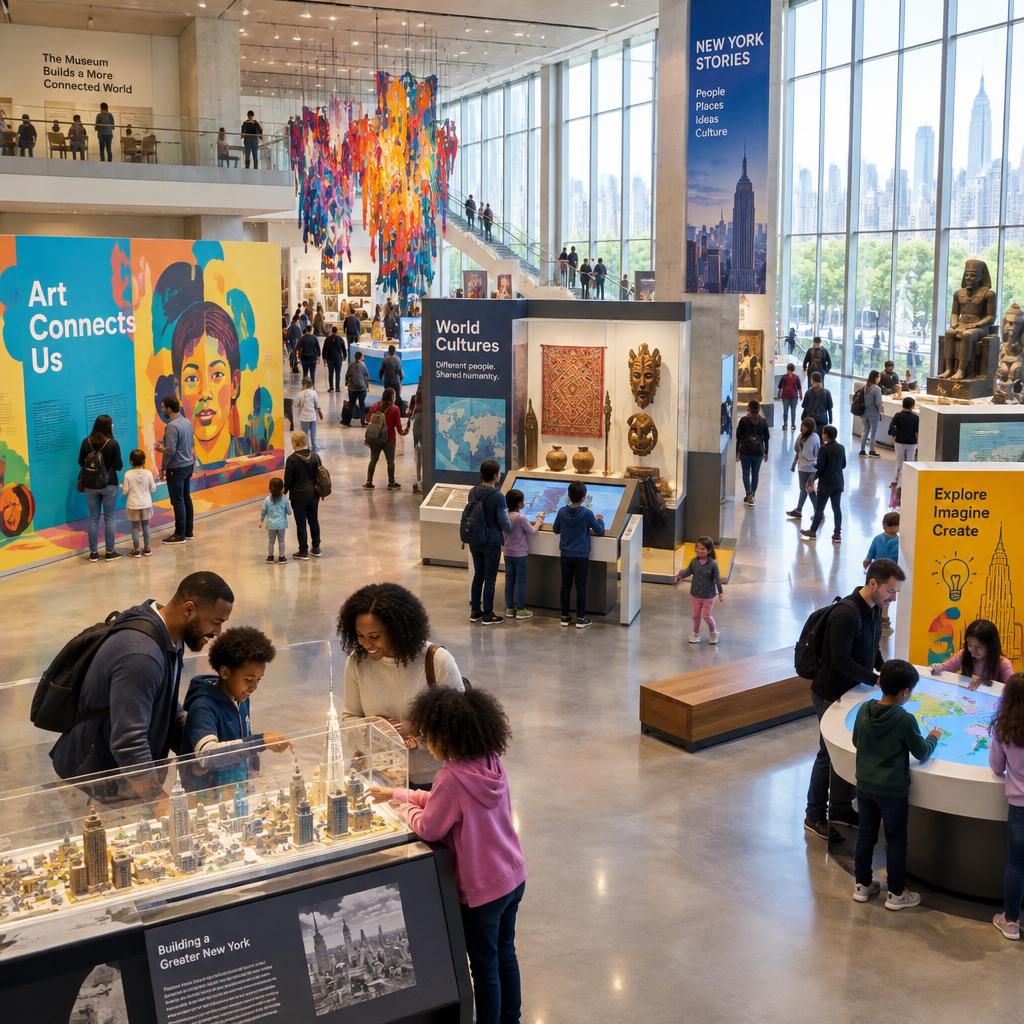
The best museums in New York City depend on what you enjoy most. New York has well over 100 museums spread across Manhattan, Brooklyn, Queens and Lower Manhattan, so no one can see them all.
A family with young kids, a solo art lover and a history buff will each want different stops. Matching the museum to your interests saves time and keeps the whole group happy.
Most of the famous names sit in Manhattan, especially along Fifth Avenue’s Museum Mile on the Upper East Side. For many first-time visitors, those big museums are the natural place to start.
This guide sorts the city’s museums by interest, from art and natural history to science, history and cultural heritage institutions. You will also find family-friendly cultural attractions and a simple museum district itinerary for one busy day.
If art is your first love, the city’s major art museums are the place to begin. Their collections are big enough to fill a full day.
Key Takeaways
- Match the museum to your interests before you choose your day.
- Manhattan holds most of the famous museums, especially along Museum Mile.
- Art, natural history, science and history each suit different visitors.
- Plan one or two museums per day so you do not rush.
- Check each museum’s ticket rules before you leave home.
Check out: American Museum of Natural History
Best Museums in New York City for Art Lovers
The Metropolitan Museum of Art (the Met) suits anyone who wants the broadest collection in one visit. Its art museum collections cover about 5,000 years of human making, from ancient objects to work made today.
For a first visit, the Met and the Museum of Modern Art (MoMA) are the best art museums in NYC to start with. Each one covers a different era, so visiting both gives you a wide view of art history collections.
Choose your museum by era and taste first, not by fame alone.
The Metropolitan Museum of Art
The Met is the largest art museum in the United States. Its galleries cover about 5,000 years, so one visit can move from ancient art to modern pieces.
Its American Wing, European paintings and Asian art each fill large floors. Pick two or three wings before you arrive, or the building can wear you out before you reach the rooms you want most.
Plan three hours or more for a full visit. If old masters are your passion, the Met is the place to go, not MoMA.
The Museum of Modern Art
MoMA is on West 53rd Street in Midtown West, which makes it an easy stop between shopping and dinner. Its modern art collections hold works by Van Gogh, Picasso and Warhol, along with Van Gogh’s famous The Starry Night.
MoMA focuses on modern and contemporary work, not older paintings. That focus makes it the stronger pick for fans of modern masterworks who want a focused afternoon.
The Solomon R. Guggenheim Museum
The Guggenheim opened in 1959 in a building designed by Frank Lloyd Wright. It stands on Fifth Avenue at 89th Street, and its spiral ramp runs continuously up the building’s interior.
Many people treat the ramp as a quick walk-through, but the exhibitions deserve time. The collection is smaller than the Met’s, so a shorter visit can still feel complete.
If you want art that feels newer and less crowded, look at the smaller contemporary spaces that sit off the main path. They offer a different kind of museum day.
Contemporary Art Beyond the Big Names
The Whitney Museum of American Art is the place to see American art from the 20th and 21st centuries. Its galleries hold modern and contemporary art that feels close to the present day.
Do not assume contemporary art means Midtown. Many of the best modern art galleries and contemporary art institutions sit downtown or across the river.
| Museum | Neighborhood | Collection focus | Best for |
|---|---|---|---|
| Whitney Museum of American Art | Meatpacking District | American art, 20th and 21st centuries | A downtown afternoon |
| Brooklyn Museum | Prospect Heights, Brooklyn | Global collection, including Egyptian and Asian art | A museum plus a neighborhood day |
| Museum of Arts and Design | Columbus Circle | Craft, design and contemporary work in clay, glass, wood and metal | Hands-on looking at making |
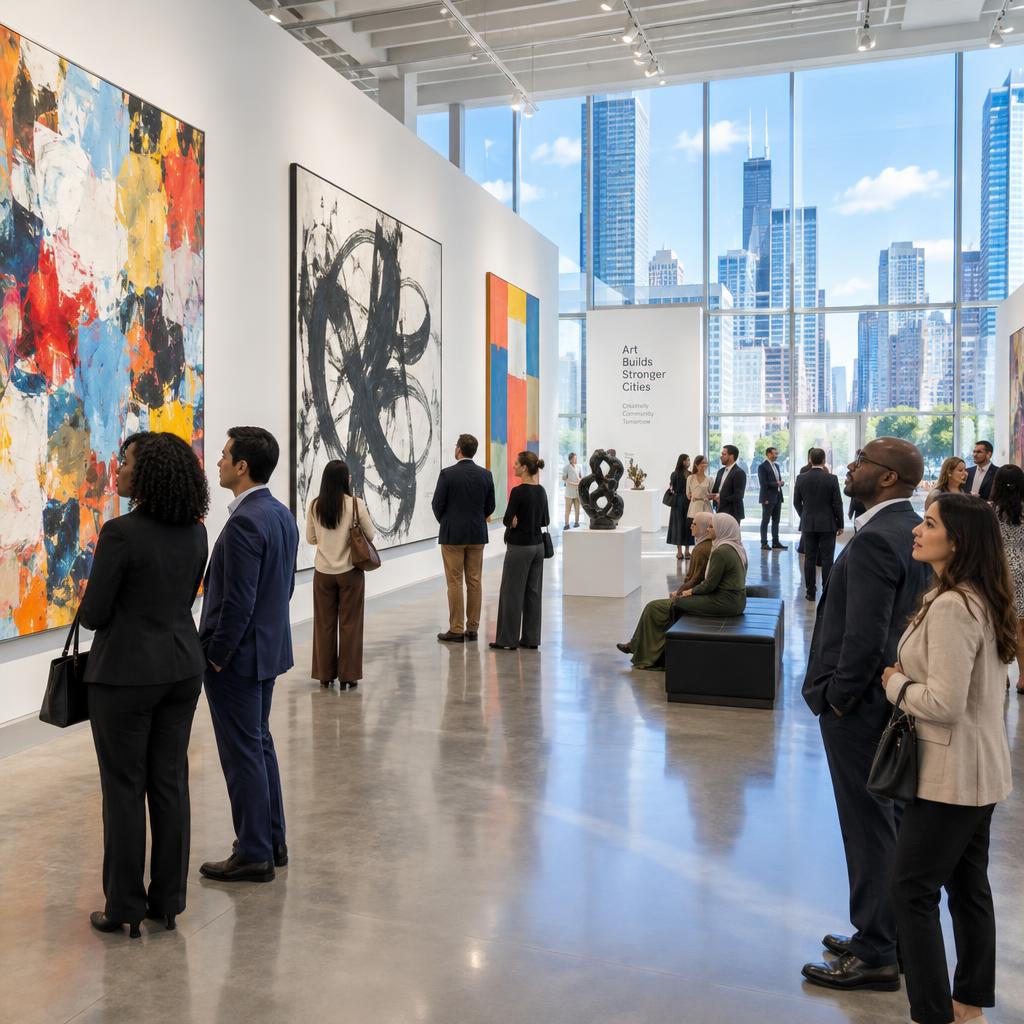
Immersive installations are a newer format that lets you walk inside the art. Younger visitors often like this hands-on style, so these downtown spaces suit the best museums in NYC for young adults.
The Brooklyn Museum at 200 Eastern Parkway has an extensive global collection. It takes a trip across the East River, so pair it with another Brooklyn stop to make the ride worth it.
The Museum of Arts and Design at Columbus Circle focuses on craft, design and contemporary materials. If you want a calmer pace than a crowded downtown day, smaller collections may suit you better.
Quieter Collections for Slower Visits
Quieter museums reward a slow pace. The Frick Collection sits in a former mansion on Fifth Avenue on the Upper East Side, and it displays Old Master paintings and European sculpture.
Plan one to two hours for the Frick, not thirty minutes. Its rooms reward lingering, and a quick pass can make the visit feel like a blur.
- Frick Collection: a mansion with Old Master paintings and sculpture
- The Met Cloisters: medieval European art and architecture in Fort Tryon Park
- Morgan Library and Museum: manuscripts, drawings and rare books on East 36th Street
- Gallery tours: a guided walk that adds context to a small collection
The Met Cloisters is a trip uptown, but it works best when you combine it with a walk through Fort Tryon Park. The setting is part of the museum architecture, with old stone halls that feel very different from midtown galleries.
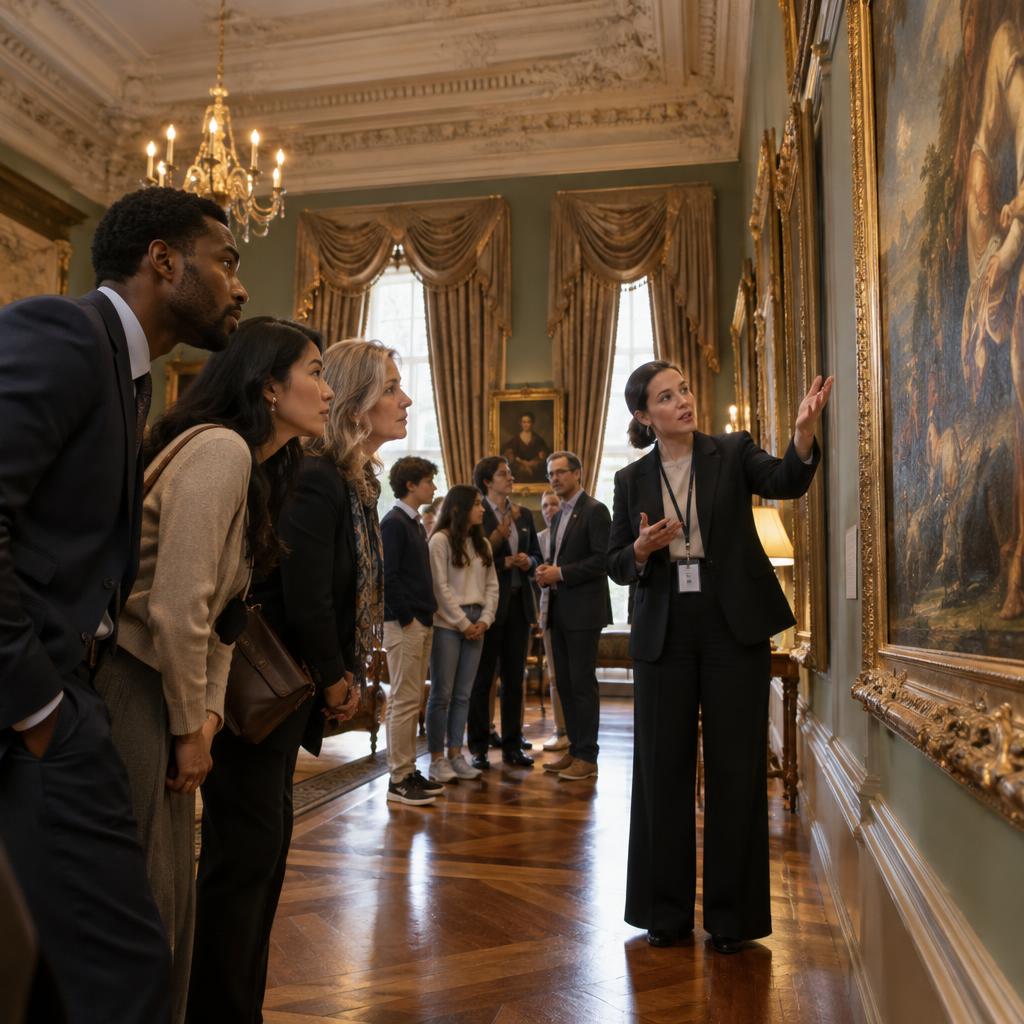
Gallery tours are often the best way to get context in a small collection. A guide can point out details you might miss on your own. Check whether special exhibitions are on view, since they can give you a reason to return.
Together these places offer immersive cultural experiences that feel personal. Families often want more to touch and more to do, and the city has plenty of that.
Natural History Exhibits Worth a Full Day
The American Museum of Natural History (AMNH) is the city’s main natural history museum, and it is famous for its dinosaur fossils. Many people also search for it as the NYC Museum of Natural History, which is the same place.
Trying to see the whole building in one hour is the most common mistake. Set aside at least half a day, and split your time between the fossil halls and the planetarium.
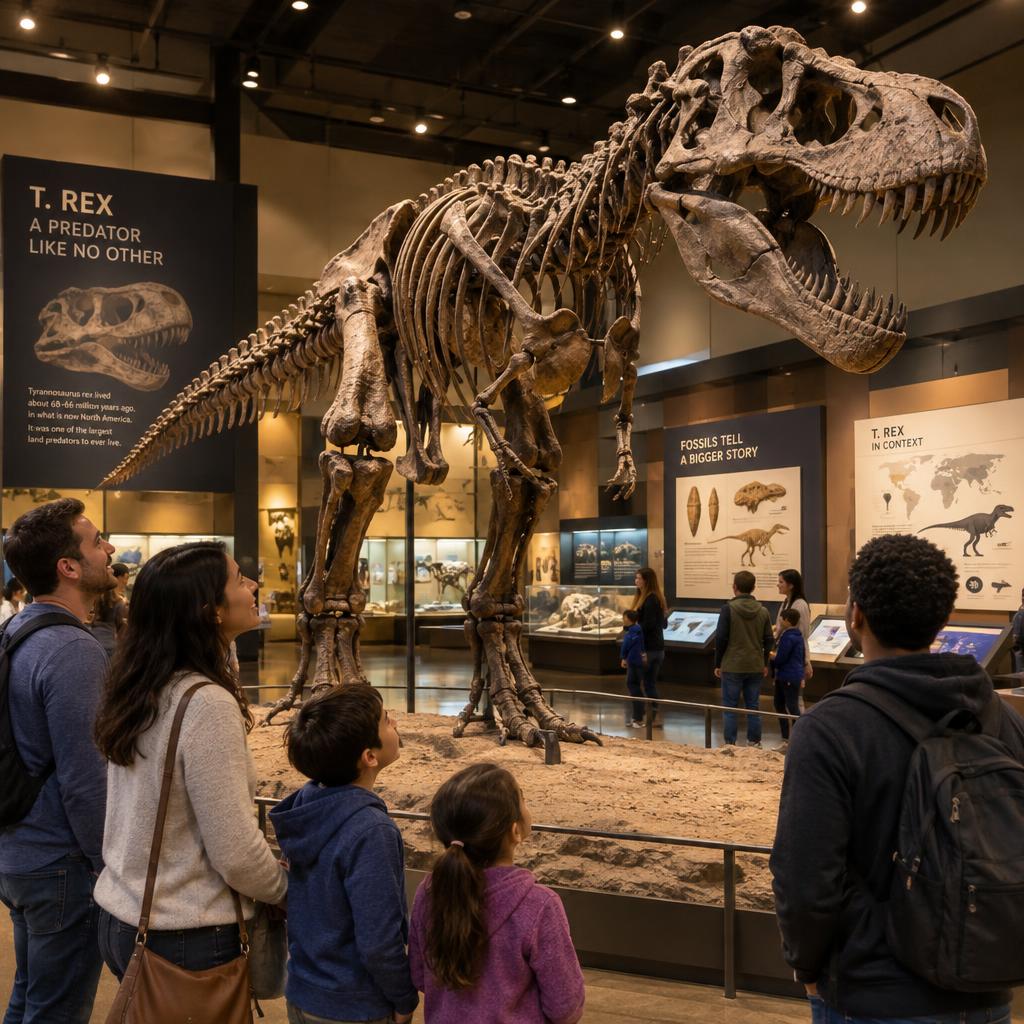
Dinosaur Halls at the American Museum of Natural History
The fossil halls are the main draw, with huge dinosaur skeletons on display. Start there first, before you tire out, since these halls are the reason most visitors come.
The halls cover more than dinosaurs, and the natural history collections include animals, minerals and human cultures. Families will find family-friendly galleries throughout the halls.
Hayden Planetarium and the Gilder Center
The Hayden Planetarium is part of the museum complex and offers shows that need to be booked separately from general admission. Book a set time early, so the show fits your plan.
The Gilder Center opened in 2019 as a science learning space within the museum. It is the newer part of the building, and it suits visitors who want to explore science in a fresh setting.
Kids who love hands-on science will find that the next type of museum is built around touch and play.
Ancient Egyptian Artifacts and Early Civilizations
The Met and the Brooklyn Museum have the strongest ancient Egyptian collections in the city. Each one offers a different feel, from a large city museum to a calmer neighborhood stop.
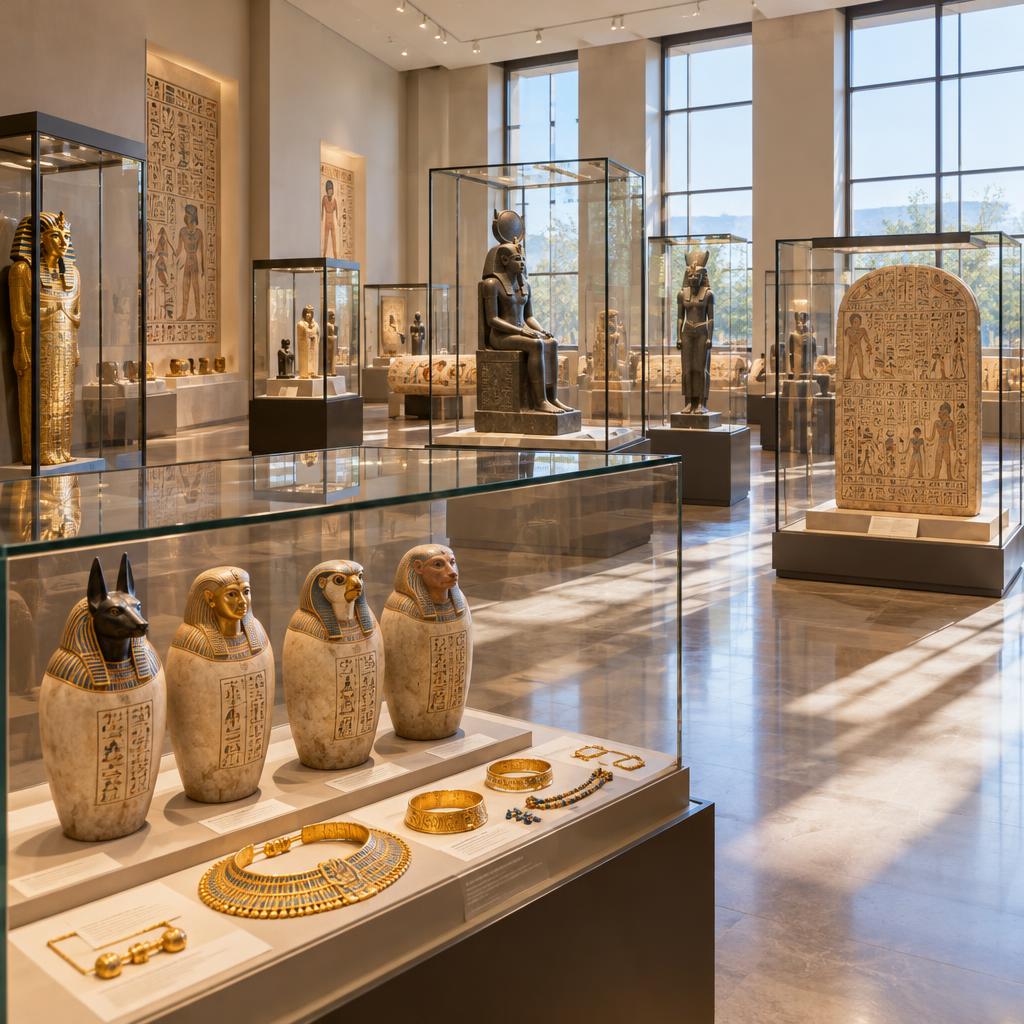
Egyptian displays are not all in one place. Plan a stop at each museum if you want to see both collections, rather than assuming one building covers everything.
- Brooklyn Museum’s Egyptian holdings: a strong pick for ancient objects without Midtown crowds
- The Met’s Egyptian galleries: tombs, sculpture and everyday objects across many rooms
- National Museum of the American Indian: indigenous cultural heritage from the Americas, at Bowling Green in Lower Manhattan
- Before you go: check that the gallery you want is open that day
Some galleries close or rotate their displays, so checking is needed before you visit. The Brooklyn Museum’s ancient objects pair well with another Brooklyn stop, which keeps the trip simple.
If hands-on learning appeals more, the city has science galleries built for young children and curious adults.
Interactive Science Galleries for Families
The New York Hall of Science is the city’s main hands-on science museum outside Manhattan. It is one of the city’s interactive science centers, and its exhibits invite touching and testing.
Check the age guidance for each area before you leave home. Some areas serve a set age range, and a toddler may feel lost in a space built for older kids.
New York Hall of Science in Queens
The museum sits in Flushing Meadows Corona Park in Queens and is built around hands-on exhibits. It suits older children and curious adults best.
A Queens visit pairs well with other stops in Flushing Meadows Corona Park. Plan your day around the park so the trip feels relaxed rather than rushed.
Children’s Museum of Manhattan
The Children’s Museum of Manhattan is on the Upper West Side and aims its exhibits at young children and their grown-ups. It is the better pick for toddlers and preschoolers.
Match the space to the age of your group. Interactive science exhibits made for older kids can overwhelm a small child, while younger children can get bored in a room that is too simple.
Some stops in the city take a different tone, looking back at tragedy and hard journeys.
History, Memorial and Immigrant Stories
The National September 11 Memorial and Museum is the most emotionally demanding stop on this list. It is a serious place, and it asks for quiet and respect from every visitor.
Plan a quiet break afterward, because the museum’s content can feel heavy. The museum sits below the memorial plaza, so the building itself is part of the experience.
- National September 11 Memorial and Museum: a moving tribute and historical archive at the World Trade Center site, opened in 2014
- Intrepid Museum: a historic aircraft carrier at Pier 86 with military jets, a submarine and the Space Shuttle Enterprise
- Tenement Museum: guided tours through historic immigrant apartments on the Lower East Side
Younger children may find the memorial’s content heavy, so check age guidance first. The Intrepid suits visitors who enjoy machines and aviation, and it makes a lively contrast to the memorial.
The Tenement Museum works best as a guided tour rather than a walk-through. The guide brings each family’s story to life, which is the heart of cultural heritage institutions like this one.
Once you have picked your stops, the next thing to sort out is how each ticket works.
Tickets, Free Days and Access Planning
Many large New York museums now ask for a timed-entry ticket booked ahead. A timed-entry ticket reserves a set arrival window for entering the museum, and you usually book it online before your visit.
Book the timed-entry ticket for the right day and window, because a mismatch can cost you the visit. Museum admission policies differ, so check each museum’s page before you pay.
| Option | What it is | Who it suits | What to check first |
|---|---|---|---|
| Timed-entry ticket | A set arrival window booked online | Visitors who want a fixed arrival time | The museum’s current booking page |
| Pay-what-you-wish admission | A suggested-price entry where you choose the amount | Visitors with flexible budgets | Whether your residency qualifies |
| Free museum day | A day or evening with no general admission charge | Visitors on a tight budget | The posted hours and any booking rule |
| Audio guide | A self-guided audio tour | Visitors who want context without a guide | Whether it comes in an app or on a device |
Pay-what-you-wish admission applies at some museums to certain visitors, such as New York State residents. If you live elsewhere, you will usually pay the standard admission fee.
Free museum days and free evenings tend to come with limited hours. They often fill up early, so book soon if a free day fits your plan.
What a ticket costs depends on your age, your residency and whether special exhibitions are included. Once tickets are sorted, check which access tools each museum offers, such as audio guides.
Planning a Museum Day by Neighborhood
Grouping museums by neighborhood, with one or two stops per day, is the simplest plan. Museum district planning works best when your stops sit within a short ride or a walk of each other.
Do not pair the Met and the AMNH in one day across town. The two sit on opposite sides of Central Park, and the trip eats up time you would rather spend inside.
Group your stops by neighborhood, and your day stays short on trains and long on sightseeing.
| Museum | Neighborhood | Typical visit | Good pairing |
|---|---|---|---|
| Metropolitan Museum of Art | Upper East Side | Three hours or more | The Frick or Central Park |
| Museum of Modern Art | Midtown West | Two to three hours | Midtown dining and shopping |
| American Museum of Natural History | Upper West Side | Two to three hours | Central Park West |
| Intrepid Museum | West Side pier at W 46th Street | Two to three hours | A Hudson River walk |
| Tenement Museum | Lower East Side | About 75 minutes | A Lower East Side food stop |
Museum Mile pairs well in a single day, since the Met and the Frick sit on the same stretch of Fifth Avenue. Midtown Manhattan museums sit close enough to walk between, which keeps the day easy to follow.
Accessibility services such as wheelchairs, sensory-friendly hours and museum audio guides vary by museum, so ask ahead. Museum accessibility tools often live on each museum’s website, and a quick check can save a long walk.
Museum websites sometimes call the booking timed-entry reservations, but the ticket works the same way. Pick your neighborhood, then decide who you are traveling with and how much energy you have.
Conclusion
The right museum is the one that matches what you enjoy. Follow your interest first, and let the day’s neighborhood decide the rest of your route.
Neighborhood matters more than the number of stops. Two well-chosen museums on one side of the city will feel better than four spread across town.
Your next step is simple: pick one interest and one neighborhood, then check the chosen museum’s timed-entry ticket page before you go.